Be yourself; Everyone else is already taken.
— Oscar Wilde.
This is the first post on my new blog. I’m just getting this new blog going, so stay tuned for more. Subscribe below to get notified when I post new updates.
Grow your business
Be yourself; Everyone else is already taken.
— Oscar Wilde.
This is the first post on my new blog. I’m just getting this new blog going, so stay tuned for more. Subscribe below to get notified when I post new updates.

A genre of music is a traditional category that identifies certain pieces of music as part of a common tradition or set of conventions. In many cases, the music can be categorized into various genres. The artistic nature of music leads to a frequently subjective and contentious classification, and certain genres can overlap.
The following are currently the top ten genres in the music industry:

Electronic Dance Music
This style of music is usually called EDM and created by DJs who incorporate hundreds of tunes into a piece to create unique music. You can commonly hear them in clubs or even live. Electronic dance is well known in the early 20s, in the form of Jamaican dub music, Kraftwerk electronic music, Giorgio Moroder’s disco music, the Yellow Magic and many more.

Rock Music
Rock music has been influencing the world since the 1950s. Originally from the United States as’ Rock & Roll.’ It is a form of music that actually started around string instruments but now also uses other modern instruments which make it rather hard to identify them precisely. It is popular among young people due to its loud and fast beats. Rocks such as Little Richard, Bill Haley and Chuck Berry have popularized music as well, and rock bands such as Pink Floyd, The Doors, Metalica, Nirvana and Megadeth are the new bands which have taken society by storm.
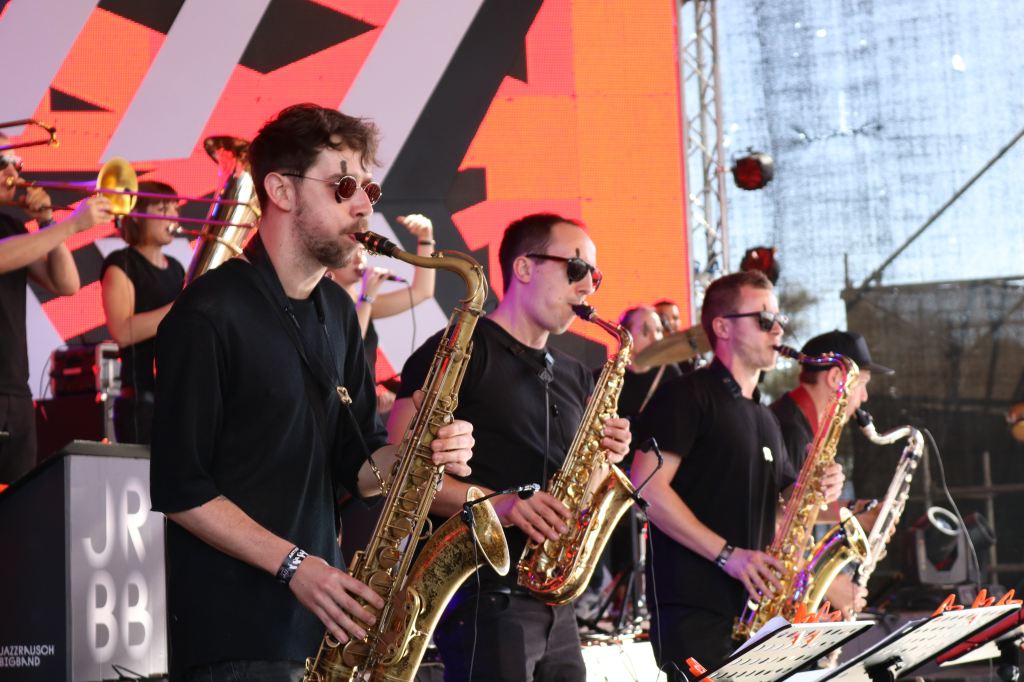
Jazz
The Jazz has its origins in both West African and European culture, and is synonymous with swing and blue notes. Jazz is said to be “one of the original forms of art of America” and features a unique combination of creativity, coercion and interactivity. Jazz was also a vital part of bringing the world to many women’s musicians, including Ella Fitzgerald, Betty Carter, Abbey Lincoln and Ethel Waters from late 19th to early 20th century.
Pop Music
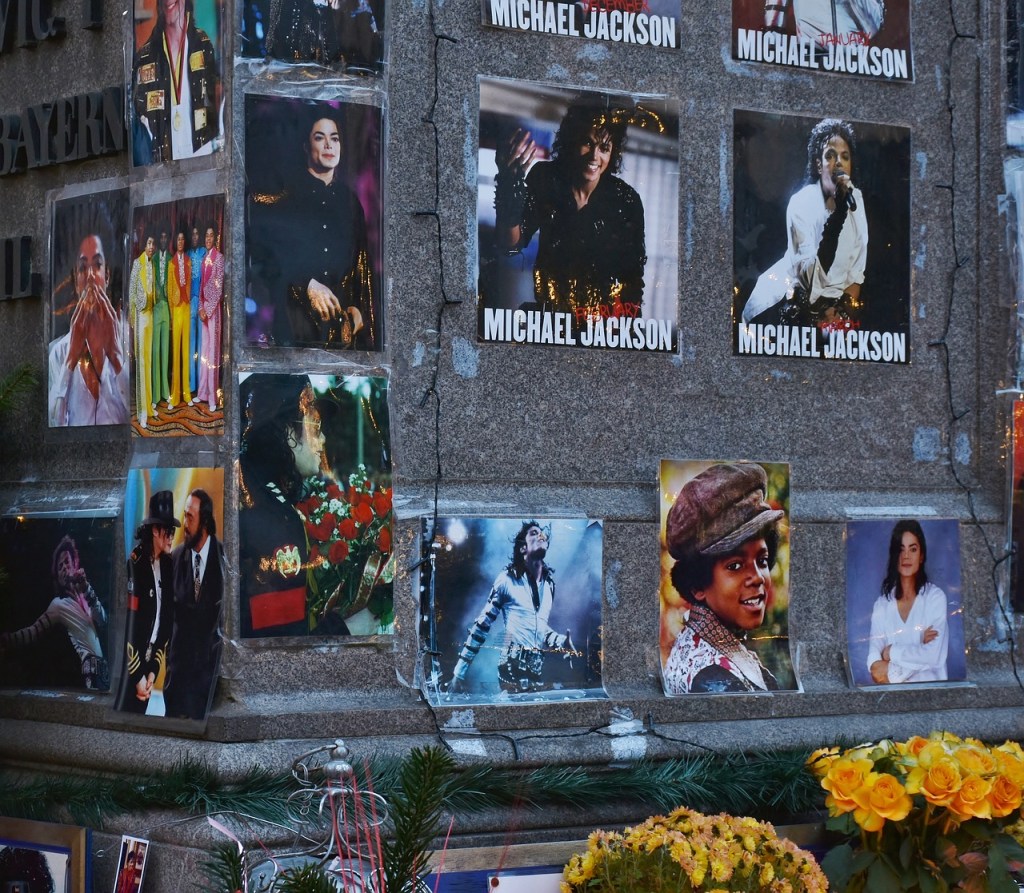
Pop came from the word “popular”, so pop music is known to be a popular music type. This genre can include all forms of music, from urban and dance to rock, country, and Latin, with its origins in rock and roll. The most commonly used instruments are electric guitars, synthsizer drums and bass, and by listening to the songs of Britney Spears, Madonna, Beyonce, Lady Gaga, and the’ King of Pop’, Michael Jackson.
Indie Rock
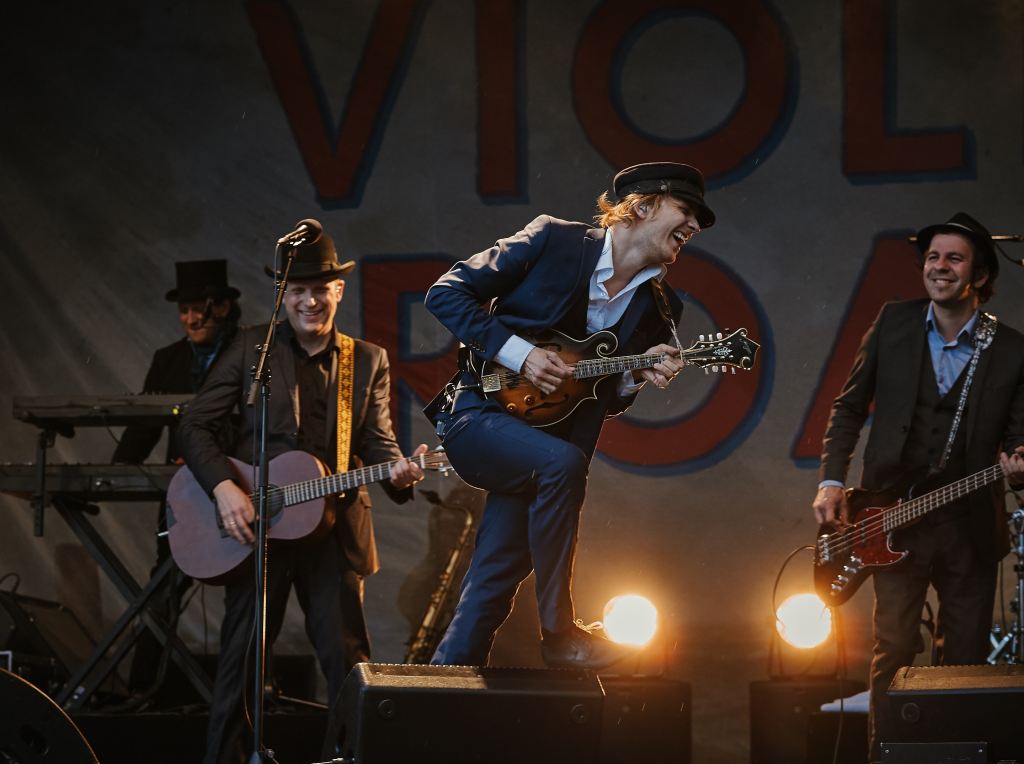
Indie Rock was born in the 80s and significantly changed the music industry, falling into the type of alternative rock music. After ten years, a couple of sun-type styles such as mathematical rock, emo, noise pop, post rock and lo-fi were also born.

Electronic music
A great combination of hip-hop and electro-funk music uses drum machine, talkbox and vocoder to differentiate between other different types of music, Disco. Among the performers in this musical form are Arthur Baker, Freeez, Man Parrish and Midnight Star.

Country Music
Country music, another popular American music genre emerging in the 1920s, has its origins in American folk music and western music. It consists of basic instrument types, from electric and steel guitars to percussion, mandolin and mouth organ. Shania Twain, Johnny Cash Taylor Swift and Kenny Rogers are some of the very popular country music singers.
Techno
When clubbing you may have heard techno music, Detroit techno is known as the basis for this musical genre. In contrast to the day when technology emerged, the quality of techno style music has been greatly enhanced today and popularized by the public daily.
Rhythm and Blues
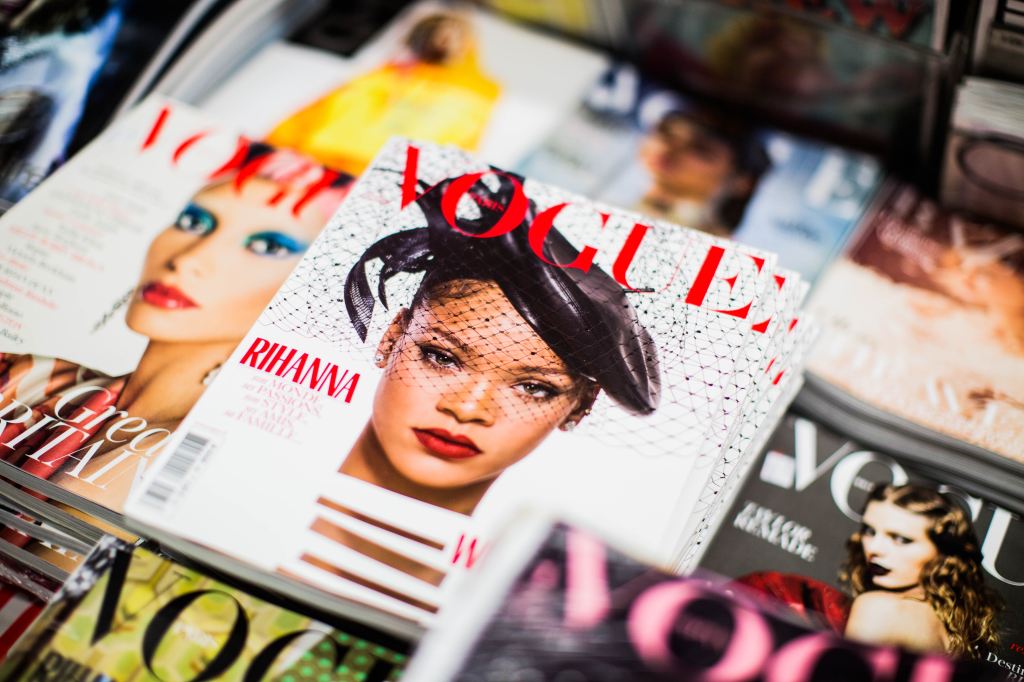
The entertainment sector’s passion for this form of music made vocalists such as Rihanna, Mariah Carey, Beyoncé and Usher as well as the legendary Michael Jackson all popular. This African-American music, created in the 1940’s, combines hip hop, funk, dance, pop and soul with subjects like relationships, sex and freedom.

Dubstep
This music falls into the electronic music genre. The use of instruments such as bass and rhythm attract music lovers. We see it as a darker form of music, but this genre has successfully made its way into the industry since it came into being at the end of the 1990s.
How often do you hear classical music? If you are like the majority, it is probably not your choice to load Spotify by artists like Mozart and Beethoven, but did you ever take account of the benefits that classical music can bring in your life?

Reduce Your Blood Pressure
Figure out that your blood pressure reaches you throughout the day and causes you to feel warm, bothered, and take real time to relax?
It has proved over and over again to lower the blood pressure by playing Bach or other classical music, thereby helping reduce risk-related conditions, including artery damage in your heart and even strokes.
Enhance Your Memory
Several studies have examined the link between classical music, possibly one of the most known benefits in classical music, and your memory skills.
Although classical music simply enhances your memory, there are strong links that show that your verbal memory can also be strengthened. Sadly, when it comes to its impact on your visual memory, there are few strong cases.

Relieve Your Pain
Do you suffer from a physical or even emotional distress that affects your lifestyle? Whilst the typical answer is to go to your doctor and get pain medication, traditional music may have the answer. It turns out.
Although the classical music has been shown over and over to alleviate physical pain rates, it has been discovered that some individuals have increased their pain relief effects rather than real pain pharmaceutical products.

Improve Your Quality of Sleep
Is it hard to get the shut-eye of the night at all?? Restless, tossing and turning and hard to drift to a slumber? The response may be provided by classical music.
Studies show that just 45 minutes before going to bed, jamming to a little classical music can work wonders help you to drift away and even improve the quality of your sleep.
Fight the Symptoms of Depression
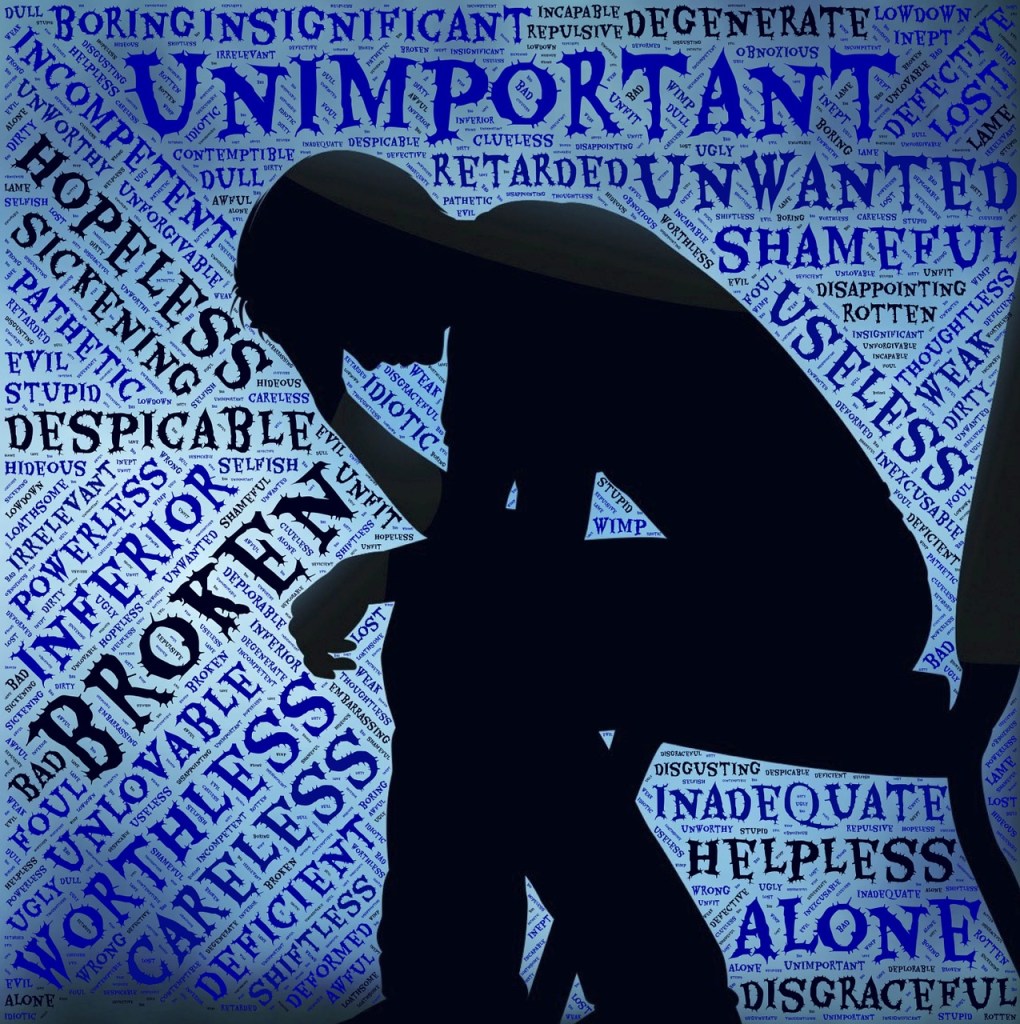
Some research shows that classical music links to the decrease in depression and melancholy symptoms. Although the music can not ‘ cure ‘ you, it can help you feel good and go about your daily activities by reducing the symptoms and signs.

Improve cognitive skills of your baby
While more research are necessary to establish this, it remains very popular to this day. Experts suggest that listening to classical music with your unborn child is an ideal way to improve your mental and linguistic abilities as you are pregnant.
Although studies find this popular opinion difficult to prove, classical music for the fetus does not have any negative effect. So there is no reason not to try!
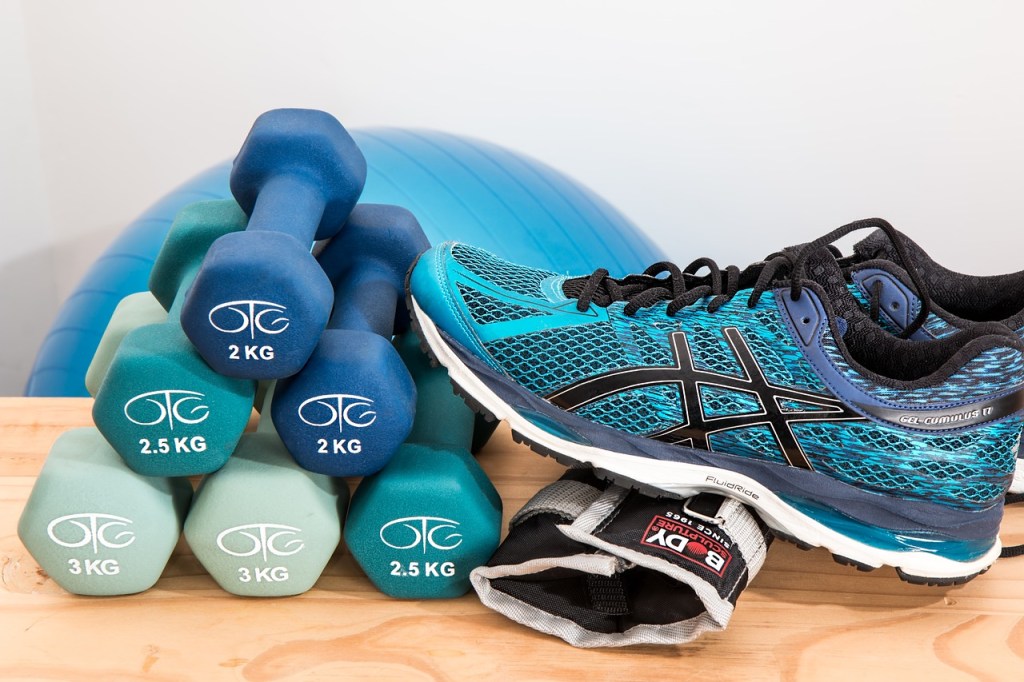
Take your next step of Gym Training!
While going to the gym is typically linked to high-octane hard-paced music such as metal, you might have the edge to listen to classical music that is unimaginable!
As already mentioned, classic music, even recommended by leading professionals like Austin Roberts, has been proved many times to improve your concentration and performance and make it ideal to play during your time at the gym and try to get your training to your next level.

On that face let’s put a smile!
No, we’re not talking of Batman’s Joker–come on, what’s classical music really about? We’re discussing the endless number of studies which have shown that classical music, indeed, can make you happier in general.
This is because this type of music can affect and raise the levels of dopamine in your brain. This influences the innate reward of your brain and your system of enjoyment and makes you much happier irrespective of what behavior!
This is an example post, originally published as part of Blogging University. Enroll in one of our ten programs, and start your blog right.
You’re going to publish a post today. Don’t worry about how your blog looks. Don’t worry if you haven’t given it a name yet, or you’re feeling overwhelmed. Just click the “New Post” button, and tell us why you’re here.
Why do this?
The post can be short or long, a personal intro to your life or a bloggy mission statement, a manifesto for the future or a simple outline of your the types of things you hope to publish.
To help you get started, here are a few questions:
You’re not locked into any of this; one of the wonderful things about blogs is how they constantly evolve as we learn, grow, and interact with one another — but it’s good to know where and why you started, and articulating your goals may just give you a few other post ideas.
Can’t think how to get started? Just write the first thing that pops into your head. Anne Lamott, author of a book on writing we love, says that you need to give yourself permission to write a “crappy first draft”. Anne makes a great point — just start writing, and worry about editing it later.
When you’re ready to publish, give your post three to five tags that describe your blog’s focus — writing, photography, fiction, parenting, food, cars, movies, sports, whatever. These tags will help others who care about your topics find you in the Reader. Make sure one of the tags is “zerotohero,” so other new bloggers can find you, too.

 Ma. Marianne Habacon-Salazar